November 17, 2026
Dental crowns are a popular solution for repairing damaged teeth, but they are not without their issues. Understanding common dental crown problems and knowing when to seek professional help can save you time, pain, and potentially costly repairs. In this article, we'll explore five of the most frequent dental crown concerns and offer guidance on when it's crucial to call your dentist.
1. Sensitivity or Discomfort
Chemical sensitivity can be a nuisance for those with dental crowns, making it difficult to enjoy certain foods and drinks. Foods high in acid, such as citrus fruits, or overly sweet items can exacerbate this sensitivity. In addition, dental care products like toothpaste and mouthwash with certain chemicals can irritate the sensitive areas around a crown. A common solution is switching to products that are specifically formulated for sensitive teeth, which can help to reduce irritation. According to the CDC, as of 2020, 13.3% of U.S. adults 65 and older have lost all of their teeth because of tooth decay or gum disease. If sensitivity persists, it's wise to consult with a dentist to rule out any underlying issues that may require treatment.
Bite alignment issues are also a frequent cause of discomfort for those with dental crowns. When a crown is not properly aligned with your other teeth, it can create pressure points that lead to discomfort and pain when you bite down. This issue may result from a poorly fitted crown or changes in your bite over time. If left unaddressed, misalignment can exacerbate jaw tension and lead to more significant dental issues. Dentists can adjust the crown or recommend orthodontic intervention to improve bite alignment and relieve discomfort.
Temperature sensitivity is a common challenge for individuals with dental crowns, with both hot and cold stimuli potentially triggering unpleasant sensations. This sensitivity might occur immediately after the crown placement but should gradually subside. However, if it persists for an extended period or intensifies, it could indicate issues such as an exposed nerve or an improperly sealed crown. Utilizing desensitizing toothpaste and reducing the consumption of extreme temperature foods can provide temporary relief. Continuous or heightened sensitivity warrants a visit to your dentist to evaluate the crown's fit and integrity.
2. Loose Crown
There are several reasons why a dental crown might become loose. A common cause is the deterioration of the tooth beneath the crown due to decay, which compromises the crown's stability. Inadequate adhesive used during the crown's placement can also reduce its effectiveness over time. Additionally, habits like teeth grinding or chewing hard objects can weaken the bond, causing the crown to become loose. Regular dental check-ups are crucial to catch any early signs of decay or misplacement that may contribute to looseness.
Recognizing the signs of a loose crown early can prevent more serious consequences. One of the most immediate symptoms is the sensation of movement when biting or chewing, which can lead to discomfort. A loose crown may also make unusual sounds such as clicking noises, indicating that it's not securely attached. Another warning sign is increased sensitivity or irritation around the crowned tooth. Prompt attention to these symptoms and consulting with a dentist can mitigate potential complications.
If you notice a loose crown, there are some safe at-home remedies you can consider to secure it temporarily. Avoid chewing on the side with the loose crown to prevent further damage and discomfort. Dental adhesive can be used to tentatively hold the crown in place until you can visit your dentist. However, it's essential not to over-rely on these temporary fixes, as professional evaluation and re-cementing of the crown are necessary for long-term stability. Regular dental visits will ensure that any underlying issues are addressed swiftly.
3. Crown Chips or Fractures
Dental crowns can chip or fracture for several reasons, often linked to habits we might not even realize are harmful. Chewing on hard objects like ice or pens exerts excessive pressure on crowns, increasing the risk of damage. Teeth grinding and clenching, often a stress-related response, is another common culprit leading to chipped crowns. In some cases, a significantly large cavity may weaken the underlying tooth structure, making the crown more susceptible to fracture. The type of material used in the crown can also affect its durability, with porcelain crowns typically more prone to chipping than metal or composite varieties.
Detecting crown chips and fractures early can prevent further dental issues and preserve the crown's functionality. If you feel an unusual texture or sharp edge while running your tongue over the crown, it could indicate a chip. Dental X-rays are effective for detecting fractures that are not visible to the naked eye, allowing for early intervention. Signs such as sensitivity to temperature or pressure around the crowned tooth may also point to hidden damage. It's advisable to consult with a dentist promptly for an accurate diagnosis and to discuss repair options.
In the event of a chipped or fractured crown, several immediate actions can be taken to minimize discomfort and further damage. Rinse your mouth with warm water to clean the area, which can also help in alleviating discomfort. Applying temporary dental cement can protect the damaged portion until a dental appointment. Over-the-counter pain relievers can help manage discomfort until you see your dentist. Regular dental check-ups are instrumental in catching and addressing any underlying problems that may compromise the crown's integrity, and the dentist can recommend protective appliances like night guards for those who grind their teeth.
4. Crown Falls Off
Discovering that a dental crown has fallen off can be alarming, but there are temporary fixes you can use. You can attempt to carefully clean the crown and the exposed tooth with a toothbrush before attempting to place the crown back on the tooth. A small amount of dental adhesive, available over-the-counter, can help hold the crown in place temporarily. However, it's vital not to use household glues, as they can be toxic and might damage the tooth further. Keeping the area clean and avoiding excessive chewing in that area is crucial until a dentist can reattach or replace the crown properly.
Understanding the underlying problems leading to a crown falling off can prevent future occurrences. Dental decay is a significant factor that weakens the tooth structure underneath, leading to crown detachment. Changes in the alignment of surrounding teeth can also create spaces that reduce the crown's grip on the tooth. Insufficient sealing of the crown or adhesive failure can result from wear and tear over time. Discussing potential preventive measures with your dentist, such as adjustments to oral hygiene practices, can be beneficial in maintaining the crown's secure fit.
5. Discoloration or Staining
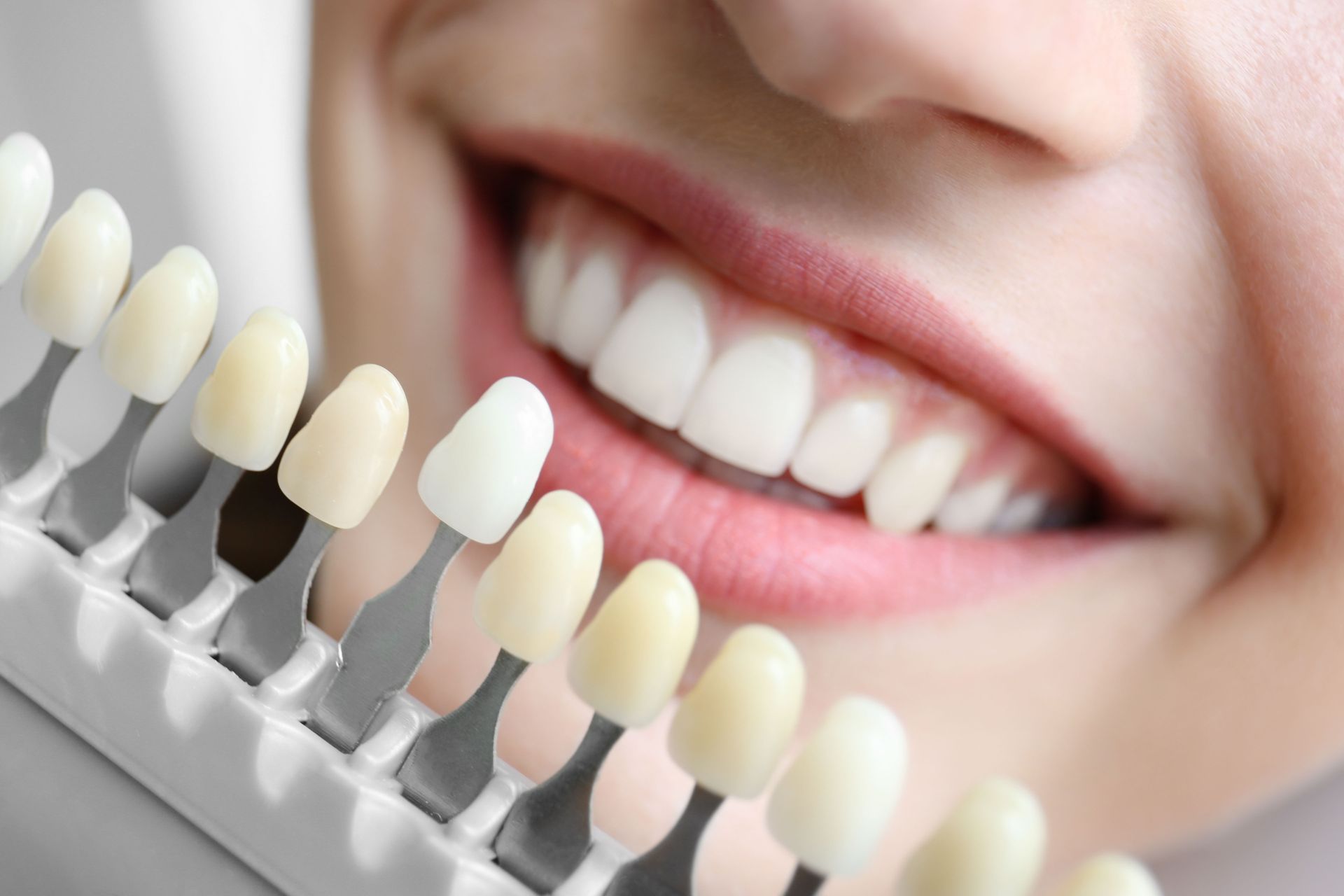
Dental crowns can become discolored or stained, much like natural teeth, due to various contributing factors. Dietary choices play a big role in this, with beverages like coffee, tea, and red wine being common culprits that result in discoloration over time. Smoking is another major factor that leads to stains on dental work. The type of material used for the crown also affects its susceptibility to stains, with porcelain being more resistant but not completely impervious. It's important to maintain regular dental cleaning to prevent or slow down the process of discoloration.
Cleaning techniques are vital for maintaining the appearance of dental crowns and preventing staining. Brushing twice a day with a non-abrasive toothpaste can help maintain the crown's luster without damaging the surface. Flossing is equally important to remove any food particles that may collect around the crown and lead to stains or decay. Dental hygienists can employ specialized tools to clean and polish the crowns during routine check-ups. For those who frequently consume staining foods, using a straw can reduce contact with the crowns, helping to further prevent discoloration.
Dental crowns serve as an effective solution for damaged teeth, but they come with potential complications. By understanding and recognizing common problems such as sensitivity, looseness, chips, or persistent pain, patients can ensure timely interventions to prevent further damage. Regular dental check-ups and swift responses to crown issues are crucial for maintaining dental health and prolonging the life of your crowns.