August 4, 2026
Have you ever wondered why your best friend can fall asleep without brushing their teeth and never get a cavity, while you follow a strict oral hygiene routine and still end up needing a filling? We hear this frustration all the time. The truth is, while brushing and flossing are undeniably crucial, they are not the only factors at play. Being prone to cavities is a multifaceted issue that involves a complex combination of genetics, biology, dietary habits, and even your unique oral microbiome. Visiting your dentist regularly is just one piece of the puzzle, albeit an important one. Let us explore the surprising and often overlooked reasons why some people are simply more susceptible to getting cavities than others, and what you can do to tip the scales in favor of a healthier, cavity-free smile.
The Genetic Lottery: How DNA Impacts Your Teeth
When it comes to your overall physical health, genetics play a foundational role, and your mouth is certainly no exception. Some people are simply born with softer enamel. Enamel thickness and density are largely inherited traits passed down through generations. If your parents or grandparents have a long history of thin enamel, you are highly likely to have it too, making it much easier for bacteria to break through the surface and cause decay.
Furthermore, your DNA dictates the physical shape and microscopic structure of your teeth. Deep grooves, pits, and complex fissures on the chewing surfaces of your molars provide the perfect hiding spots for stubborn plaque and microscopic food particles. Even the most diligent and aggressive brusher might struggle to clean these tiny crevices effectively. A skilled dentist can often spot these anatomical vulnerabilities during a routine comprehensive exam and might recommend protective dental sealants to shield these hard-to-reach areas from decay-causing bacteria.
The Power of Saliva: How Moisture Defends Your Enamel
Saliva is arguably your mouth’s most powerful and underappreciated natural defense mechanism against cavities. It continuously washes away lingering food particles, neutralizes the harmful acids produced by plaque bacteria, and bathes your teeth in essential fortifying minerals like calcium and phosphate. These minerals work around the clock to remineralize weak spots in your enamel before they can develop into full-blown cavities.
But how much saliva do we actually produce? According to Colgate, you make about a milk carton's worth of saliva daily (half a gallon), which reaches 25,000 gallons over your life. This continuous, voluminous flow is absolutely vital for maintaining a healthy and balanced oral environment.
However, not everyone produces the same amount or quality of saliva. Some individuals suffer from chronic dry mouth, formally known as xerostomia. This condition can be caused by dehydration, certain prescription medications, chronic stress, or autoimmune diseases. Without sufficient saliva flow, the mouth becomes a highly acidic breeding ground for bacteria. If you constantly feel like your mouth is parched, it is essential to mention it to your dentist so they can help you find effective ways to stimulate saliva production.
The Oral Microbiome: How Bacteria Battle in Your Mouth
Your mouth is a bustling, microscopic ecosystem teeming with billions of bacteria at any given moment. Some of these bacteria are incredibly beneficial, aiding in the early stages of digestion and actively protecting your gums against harmful invading pathogens. However, other strains, specifically Streptococcus mutans, are notorious for causing rampant cavities.
These decay-causing bacteria thrive and multiply on the sugars and simple carbohydrates you consume daily. When they feed on these leftover sugars, they produce a highly acidic toxic byproduct. This acid directly attacks your tooth enamel, stripping away vital structural minerals in a destructive process called demineralization. If this demineralization process outpaces your mouth's natural ability to remineralize the enamel, a physical cavity eventually forms.
Interestingly, the specific makeup of your oral microbiome is entirely unique to you, much like a fingerprint. Some people naturally harbor much higher populations of cavity-causing bacteria than others. Your dentist can provide specialized antibacterial mouthwashes or targeted treatments to help manage and effectively balance the complex bacterial ecosystem residing in your mouth.
The Dietary Dilemma: Why Snacking Frequency Matters Most
We all know that a diet high in refined sugar leads to cavities, but it is not just the total volume of sugar you consume that matters—it is the frequency of your consumption. Every single time you take a sip of a sugary soda, eat a piece of sticky candy, or even snack on seemingly harmless carbohydrates like saltine crackers or potato chips, you are directly feeding the destructive bacteria in your mouth.
Following a snack or sugary beverage, your mouth experiences an intense "acid attack" that lasts for about twenty to thirty minutes. If you sip on a sweetened coffee throughout the entire morning or constantly graze on snacks at your desk, your teeth are subjected to a continuous, unending barrage of acid. This gives your saliva absolutely no time to neutralize the environment and repair the weakened enamel. Consulting with your dentist about your daily dietary habits can reveal hidden cavity culprits you might not have ever considered a threat.
The Hygiene Equation: Why Technique and Timing Are Crucial
While brushing and flossing are universally recommended daily habits, how and exactly when you perform these tasks can significantly impact your overall cavity risk. Using a soft-bristled brush and an effective fluoride toothpaste is essential, but overly aggressive brushing can actually backfire. Scrubbing too hard can prematurely wear away your precious enamel and push back your delicate gums, exposing the highly vulnerable, softer roots of your teeth to rapid decay.
Timing is equally important. Brushing immediately after eating highly acidic foods—like citrus fruits or tomato sauce—can severely damage your enamel because the dietary acid has temporarily softened it. In our experience, it is always best to wait about thirty to sixty minutes before brushing to allow your saliva enough time to remineralize and harden the teeth. Furthermore, skipping flossing leaves a good amount of your tooth's surface completely uncleaned. If your technique is flawed, soft plaque quickly hardens into stubborn tartar, which can only be safely removed by a professional hygienist or dentist.
The Aging Process: How Life Stages Alter Your Cavity Risk
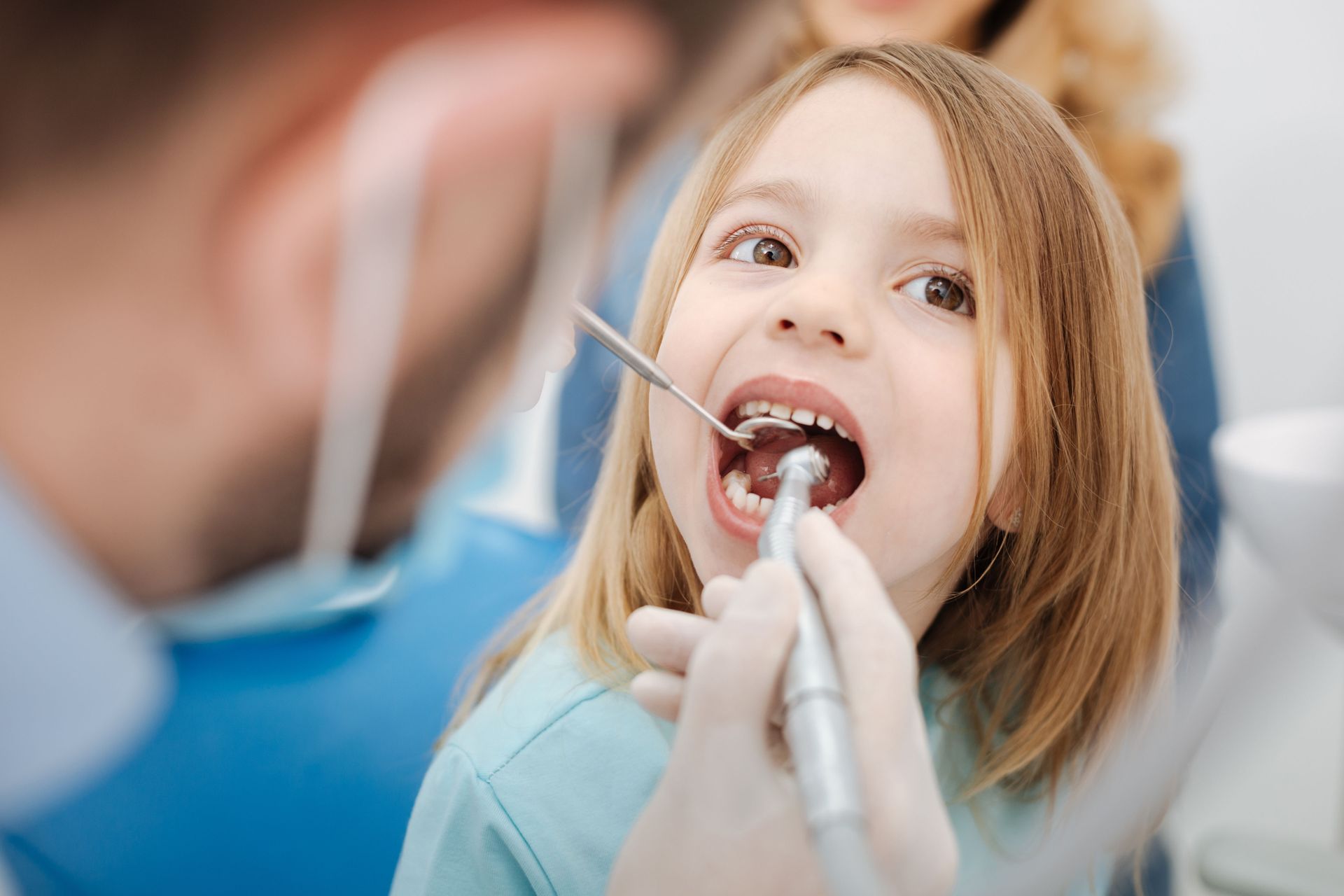
Your personal risk level for developing cavities is not static; it naturally fluctuates and evolves throughout the various stages of your life. Children and teenagers are often much more prone to cavities because they may lack the fine manual dexterity required for thorough brushing, they tend to consume higher amounts of sugary snacks, and they have newly erupted teeth with immature, inherently weaker enamel.
However, older adults face their own set of unique, age-related dental challenges. Over time, gums can naturally recede due to years of wear, exposing the sensitive roots of the teeth. Unlike the visible crowns of your teeth, the roots are not covered by hard protective enamel; they are covered by cementum, a much softer tissue that decays incredibly rapidly when exposed to oral bacteria. Regular, comprehensive checkups are vital so your dentist can carefully monitor these age-related changes and medical impacts, gracefully adjusting your preventative care plan to perfectly suit your current life stage.
The Preventative Plan: How to Take Control of Your Oral Health
While you cannot simply change your inherited genetics or completely overhaul your natural oral microbiome overnight, fully understanding your unique personal risk factors empowers you to take highly targeted action. If you know you are naturally prone to cavities, you must be far more proactive than someone with naturally resilient, decay-resistant teeth.
This might mean financially committing to a high-quality electric toothbrush, diligently integrating a daily prescription fluoride mouthwash into your nighttime routine, strictly cutting back on frequent daytime snacking, and chewing sugar-free gum sweetened with xylitol to proactively stimulate saliva production. Most importantly, it means forming a long-term partnership with a dedicated dental professional who truly understands your specific anatomical needs and medical background.
Schedule a comprehensive evaluation with Campos Family Dental today, and let us help you build a much stronger, healthier smile.