June 15, 2026
Helping kids build healthy oral hygiene habits is one of the most practical investments a parent or caregiver can make. It’s not just about clean teeth—it’s about shaping routines, confidence, and long-term health behaviors that stick. When children understand why oral care matters and feel supported in doing it well, the process becomes far less of a struggle and much more of a shared routine.
In everyday life, small, consistent actions tend to drive the biggest results. Oral hygiene is no different. From brushing and flossing to making smart food choices and visiting a pediatric dentist regularly, each step plays a role in building a strong foundation. The goal is not perfection, but progress—creating habits that feel natural, manageable, and sustainable as kids grow.
Establishing Consistency With Daily Oral Care Routines
Consistency is where everything starts. Without a predictable routine, even the best intentions tend to fall apart. Children benefit from structure, and setting specific times for brushing and flossing helps make oral care feel like a normal part of the day rather than an optional task. Morning and bedtime routines are the easiest anchors because they already exist.
Over time, repetition builds familiarity. When kids know exactly what to expect, they’re less likely to resist. This is also where guidance from a pediatric dentist can reinforce expectations, helping families understand what an effective routine actually looks like at different ages. That outside validation often makes a difference in how seriously kids take the process.
It’s also helpful to model the behavior. When children see adults prioritizing their own oral care, it sends a clear message that these habits matter. Even brushing together can turn a routine into a shared activity instead of a chore.
Creating Engagement With Brushing and Flossing Activities
Engagement changes everything. If brushing feels boring or forced, kids will push back. But when it’s interactive, it becomes something they’re more willing to do. Simple tactics—like using a timer, playing a favorite song, or letting them choose their toothbrush—can shift the experience.
There’s also value in variety. Rotating flavored toothpaste, trying floss picks, or introducing apps that track brushing time can keep things fresh. These small changes reduce resistance and make the routine feel less repetitive. A pediatric dentist may also recommend age-appropriate tools that are easier for kids to use, which can improve both technique and participation.
Another effective approach is giving kids a sense of ownership. Letting them “lead” the process, even with supervision, helps build independence. When they feel in control, they’re more likely to stay consistent and take pride in doing it well.
Teaching Proper Techniques With Clear Demonstrations
Technique matters just as much as consistency. Many kids brush regularly but still miss key areas or use ineffective methods. Teaching proper technique early helps prevent these gaps and sets a higher standard for oral care moving forward.
A widely accepted guideline, according to the American Dental Association, is that both children and adults should brush twice daily for about two minutes and floss at least once per day. Framing this in simple, everyday language helps kids understand the purpose behind the routine rather than just following instructions.
Breaking the process into steps can make it easier to follow. Show them how to angle the brush, move in gentle circles, and cover every surface. Demonstration works better than explanation alone, and reinforcement from a pediatric dentist can help correct mistakes before they become habits.
Selecting The Right Tools and Products
The tools kids use can either support or hinder their progress. A toothbrush that’s too large or too firm can make brushing uncomfortable, while the wrong toothpaste may not provide adequate protection. Choosing age-appropriate products makes the process smoother and more effective.
Soft-bristled brushes are typically recommended because they clean effectively without irritating gums. Electric toothbrushes can also be helpful, especially for kids who struggle with technique or consistency. Many include built-in timers, which reinforce proper brushing duration without constant reminders.
Product selection doesn’t have to be complicated, but it should be intentional. A pediatric dentist can offer guidance based on a child’s specific needs, helping parents avoid guesswork. The right tools don’t just improve results—they make the routine easier to maintain.
Encouraging Better Eating and Drinking Habits
Diet plays a direct role in oral health, often more than people realize. Frequent exposure to sugar fuels bacteria that produce acid, which can weaken enamel and lead to cavities. Helping kids understand this connection empowers them to make better choices without feeling restricted.
This doesn’t mean eliminating all treats, but it does mean being mindful of frequency and timing. Snacks that are sticky or sugary tend to linger on teeth longer, increasing risk. Encouraging balanced meals and limiting constant snacking can reduce that exposure significantly.
Hydration is another overlooked factor. Water supports saliva production, which naturally helps protect teeth by washing away debris and neutralizing acids. A pediatric dentist will often emphasize reducing sugary drinks, especially between meals, to protect enamel over time.
Reinforcing Positive Habits With Encouragement and Support
Positive reinforcement can go a long way in building lasting habits. Kids respond well to encouragement, and recognizing their efforts—no matter how small—helps build confidence and motivation. This doesn’t require elaborate rewards; simple acknowledgment is often enough.
Creating a tracking system, like a weekly chart, can also provide visual progress. It turns consistency into something tangible, which can be especially motivating for younger children. Over time, these small wins build momentum and help solidify the habit.
It’s also important to stay patient. Resistance is normal, especially during busy routines or transitions. Support from a pediatric dentist can help parents navigate these challenges with practical strategies, ensuring that setbacks don’t derail long-term progress.
Scheduling Regular Visits With a Pediatric Dentist
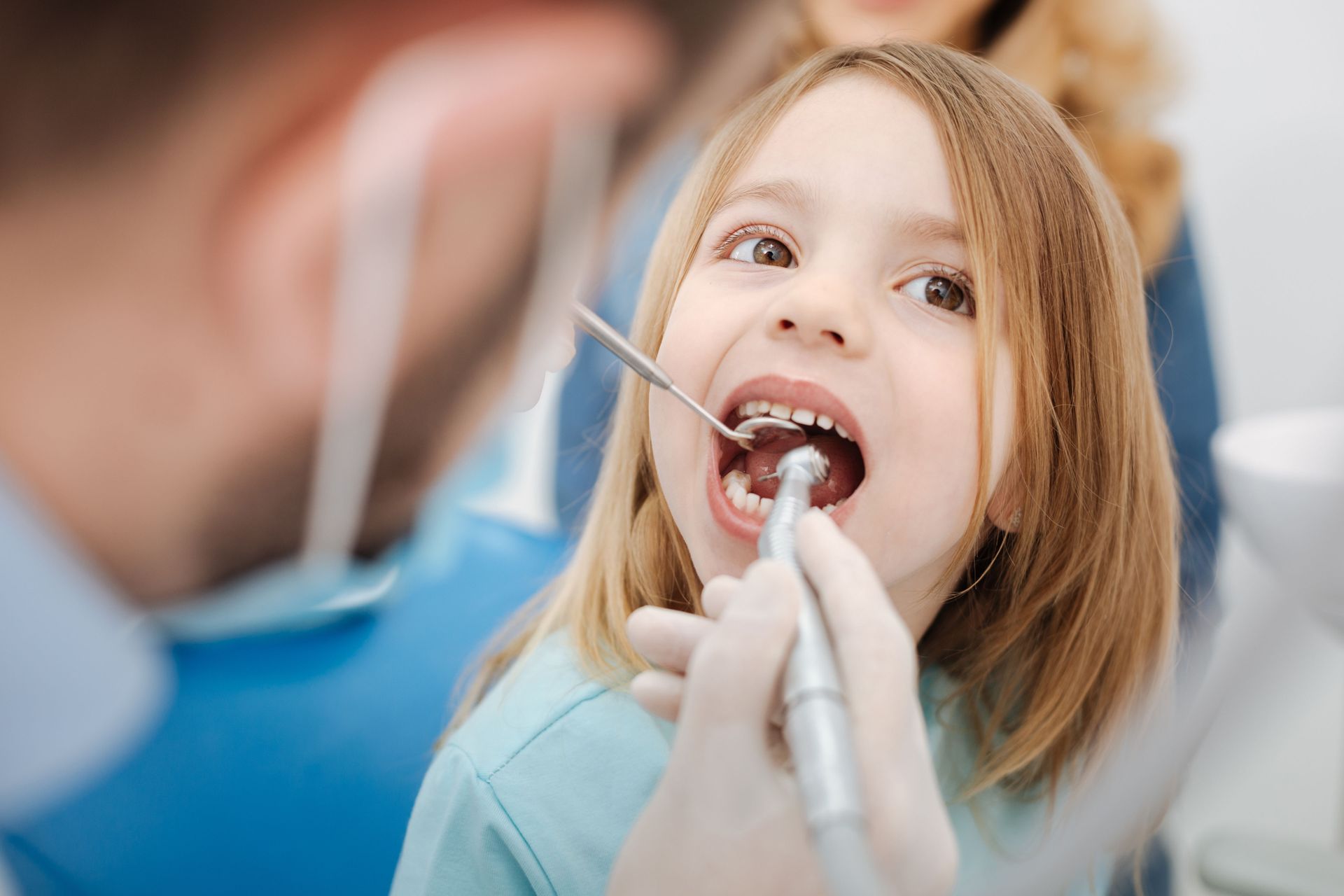
Routine dental visits are a key part of maintaining oral health. They provide an opportunity to catch potential issues early and reinforce good habits through professional guidance. For children, these visits also help normalize the experience, reducing anxiety over time.
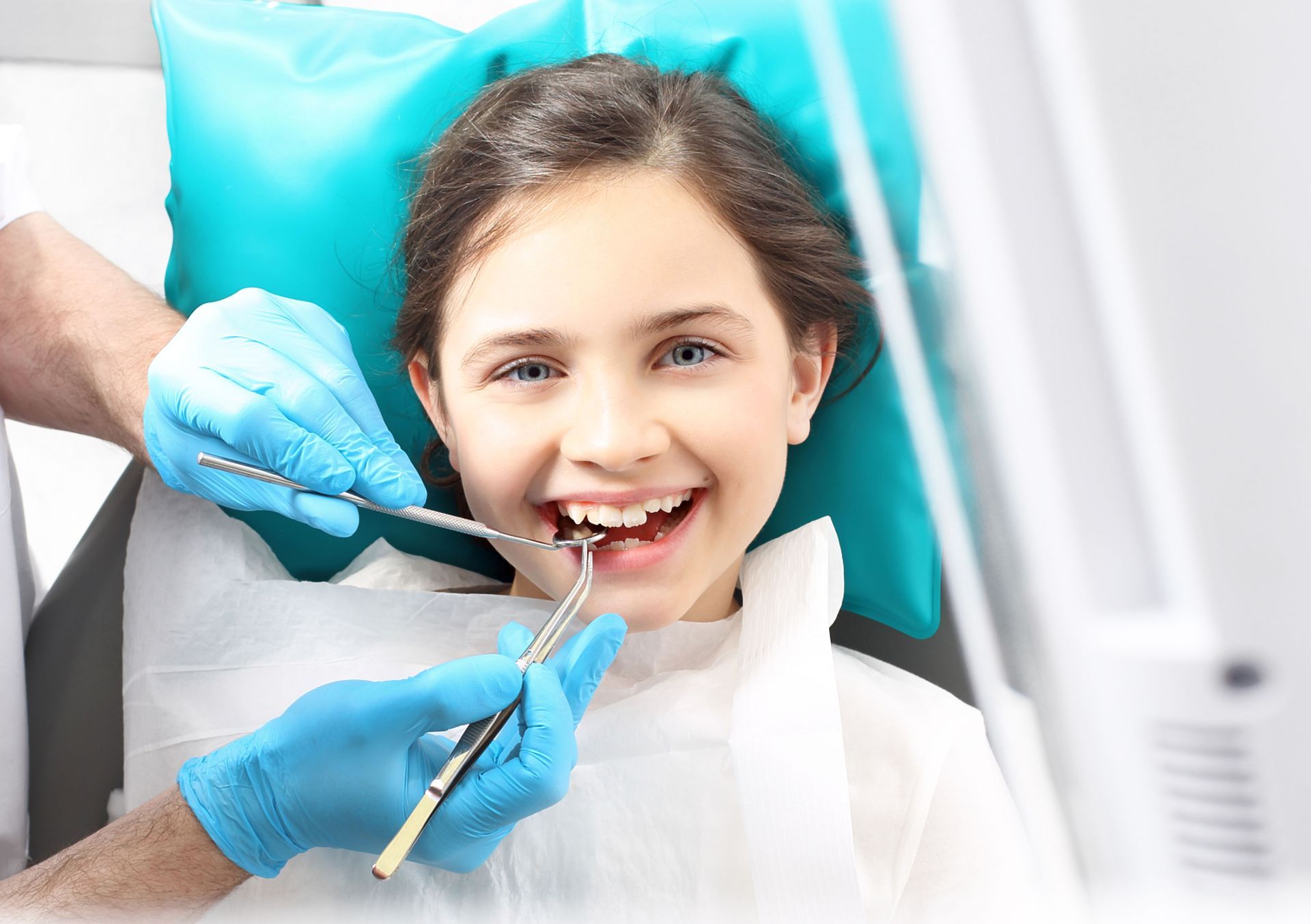
A pediatric dentist focuses specifically on children’s dental needs, creating an environment that feels more comfortable and approachable. This can make a significant difference in how kids perceive dental care overall. When visits feel positive, they’re less likely to be avoided.
Regular checkups also create accountability. Kids are more likely to stay consistent with their habits when they know someone will be checking their progress. Combined with at-home care, these visits complete a well-rounded approach to long-term oral health.
Building healthy oral hygiene habits in children is less about strict rules and more about creating a supportive, consistent environment. When routines are clear, tools are appropriate, and expectations are reinforced both at home and by a pediatric dentist, kids are far more likely to adopt habits that last.
The process doesn’t have to be complicated to be effective. Small, consistent habits—like daily brushing, flossing, and mindful choices—add up over time and create lasting results. Even when routines aren’t perfect, staying consistent makes the biggest difference. With the right mix of structure, encouragement, and support from a trusted provider, oral care can become a natural part of everyday life. For personalized, family-focused care, schedule an appointment with Campos Family Dental today.